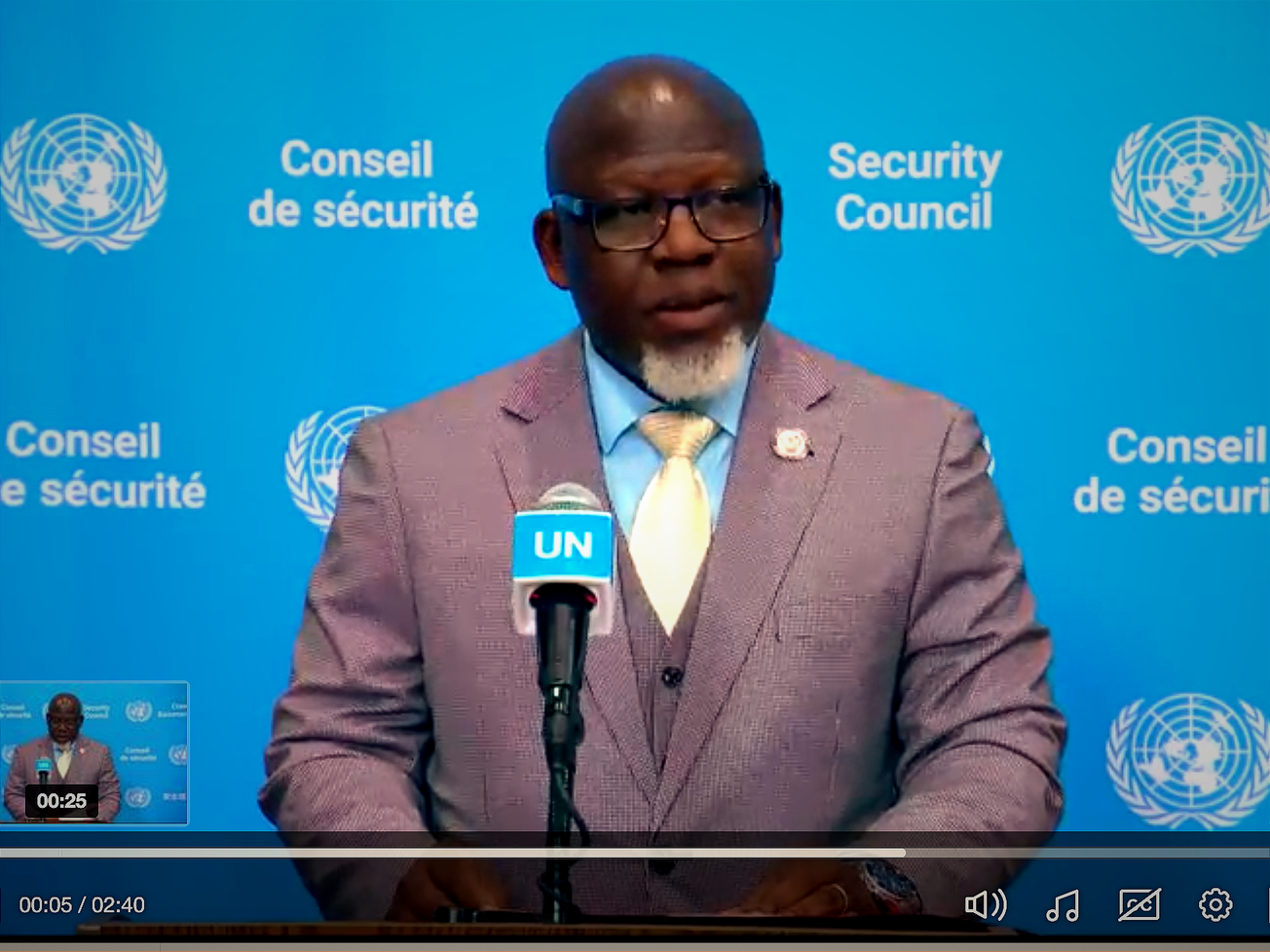
Early U.N. straw poll puts Grynspan ahead in race to succeed Guterres
Confidential Security Council vote offers first indication of support as selection process for the next U.N. chief gears up.
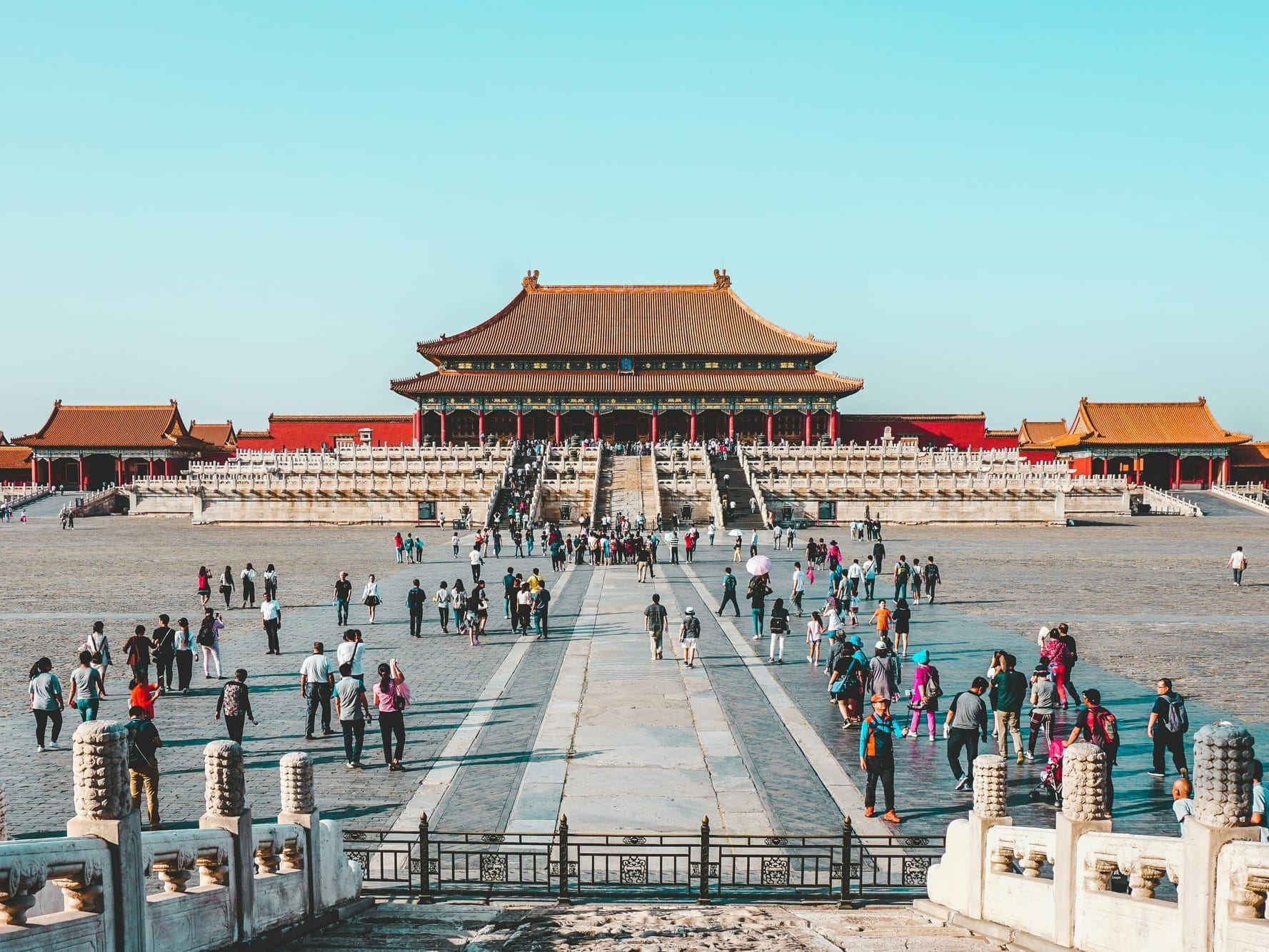
China is a global power with the world’s second-largest economy and an increasing geopolitical rivalry with the United States. As the U.S. has reduced its engagement with certain multilateral institutions, China has increasingly sought to fill that vacuum by increasing its funding to the U.N. and placing its nationals in leadership roles.
Already have an account? Log in
Confidential Security Council vote offers first indication of support as selection process for the next U.N. chief gears up.
The partnership aims to strengthen and connect innovation ecosystems. Three years on, its record is coming into focus.
The agreement opens the door to a Saudi civilian nuclear program but leaves critical questions unanswered.
Twenty-nine countries joined the Shanghai-based organization as Beijing offered aid to developing nations.
Discussions in Geneva revealed concern over fragmented regulation, unequal access and the need for safeguards.
Report argues countries may gain access to AI but lose influence over standards, infrastructure and governance.
Data centers could soon require the same amount of drinking water needed by the world's population for about 1.6 years.
Shipping delays, rising transport prices and deep budget cuts force humanitarian agencies into difficult choices worldwide.
A new study suggests temporary carbon storage may have a legitimate role in climate mitigation, though not for CO₂.
Recovering valuable materials from products in circulation is becoming part of industrial and security planning in Brussels.
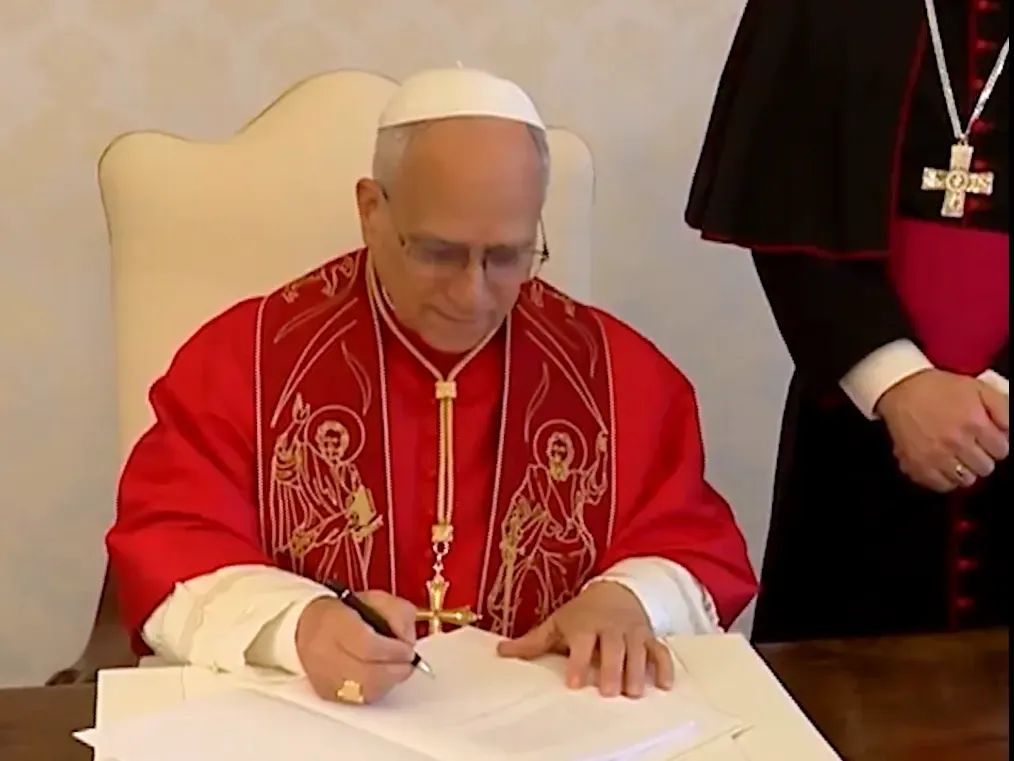
Pope Leo XIV’s first AI encyclical positions the Catholic Church inside a widening international struggle.
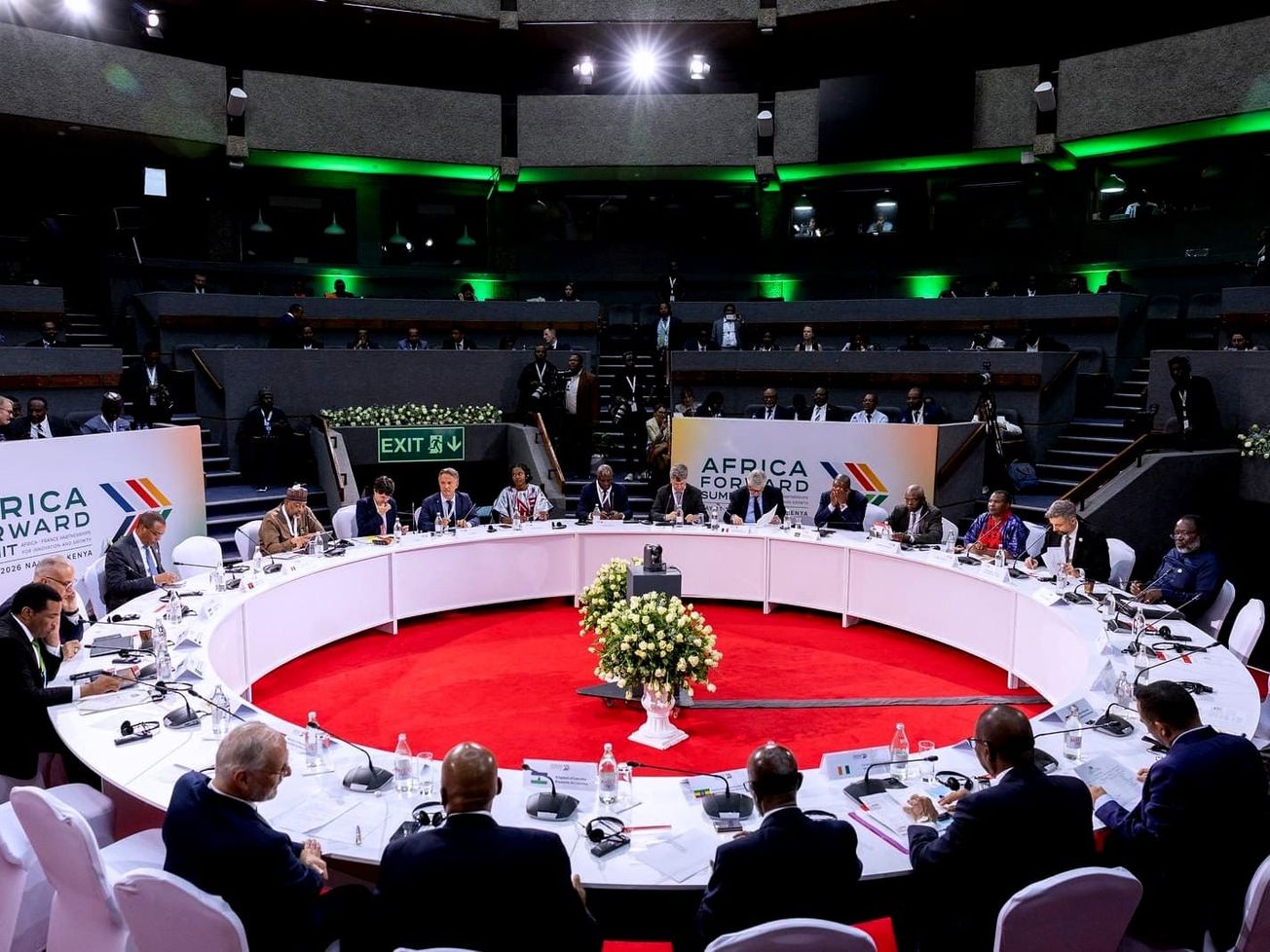
France joined African leaders in calling for Security Council reform and more African representation in global institutions.
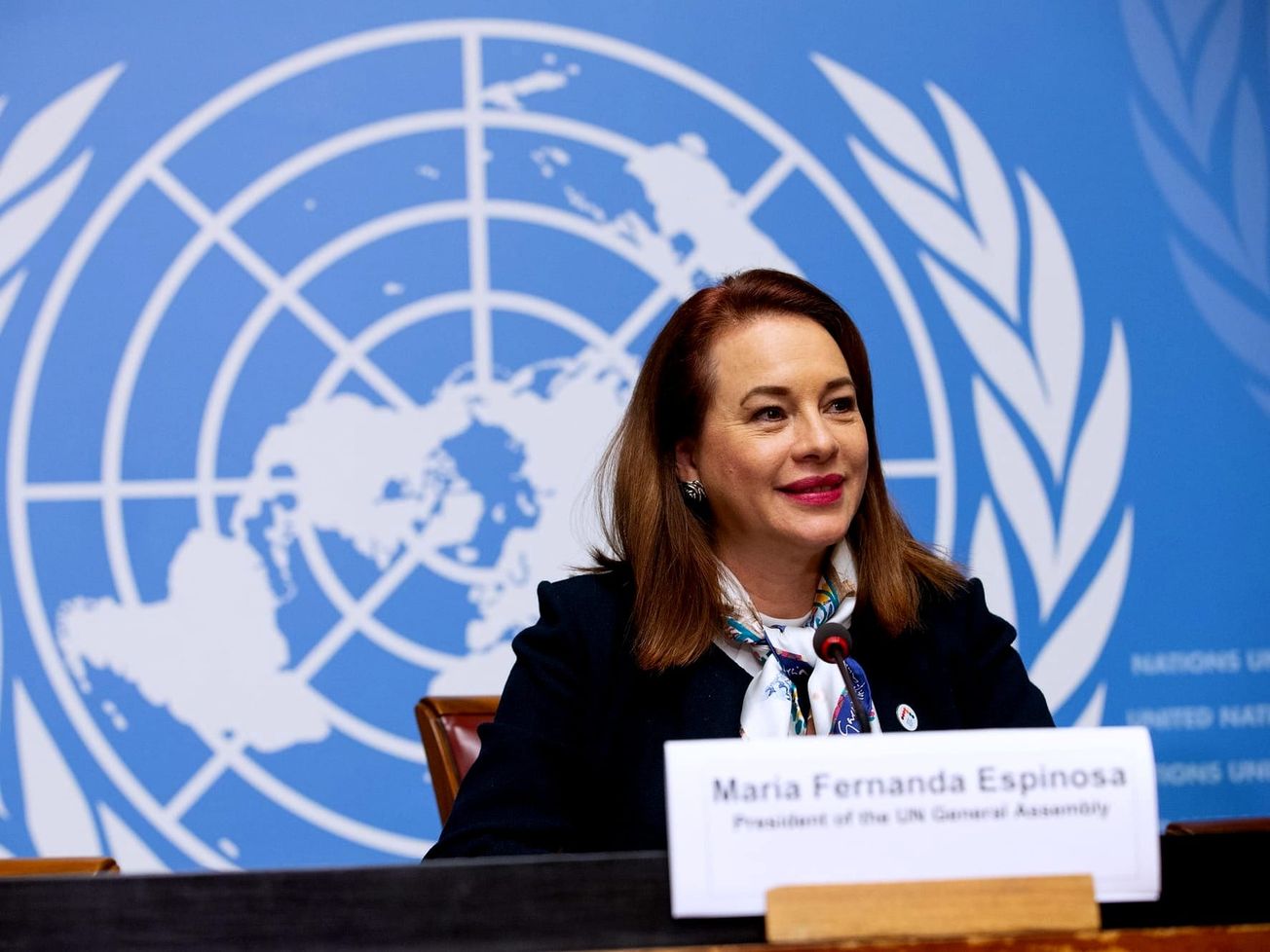
If elected, Espinosa, Bachelet or Grynspan would become the first woman to serve as U.N. chief since the U.N.’s founding.
Access Now says foreign interference over Taiwenese activists forced cancellation days before leading human rights summit.
Senate hearing highlights Baltic Sea activity, legal gaps and global risks to underwater cables and energy networks.
U.S. decline over Ukraine war masks faster growth elsewhere as wars and long-term security shifts drive spending.